Louise Tickle
Journalist & Broadcaster



Articles
'Really terrifying’: undercover calls expose the views of influential court expert

The Bureau of Investigative Journalism, January 2025
Senior psychologist shocked at recordings of Melanie Gill, who has given expert evidence in hundreds of family cases.
A senior psychologist who helped write key guidance for the family courts has described some of the views expressed by Melanie Gill, an expert who has been involved in hundreds of cases, as “dangerous” and “terrifying”.
Gill had been speaking to an undercover reporter posing as “Charlie”, a father concerned about losing access to his children following a breakdown in his relationship with their mother...
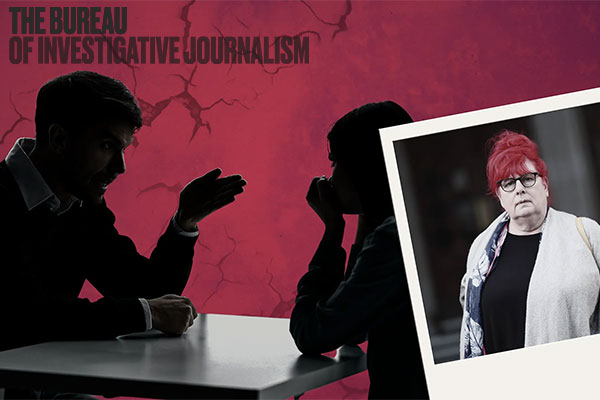
Undercover recording reveals Melanie Gill berating 'completely biased' judges who have bought into radical feminism
The Bureau of Investigative Journalism, January 2025
The biases of a court expert whose advice has been pivotal in the removal of at least a dozen children from their mothers’ care have been exposed by an undercover investigation by the Bureau of Investigative Journalism (TBIJ) and Tortoise Media.
Melanie Gill is an unregulated psychologist who has given evidence in hundreds of family court cases over more than 15 years. Speaking to an undercover reporter, she described how the new generation of family court judges “haven’t got a bloody clue”.
Inexperienced social worker did not identify Sara Sharif’s father as posing any risk

The Guardian December 2024
The murdered girl had been allowed to live with her father, who had repeatedly attracted the attention of police and social workers
An inexperienced social worker tasked by a local authority with assessing Sara Sharif’s parents did not identify her father as posing any risk despite noting safeguarding concerns.

I discovered my partner was a paedophile. He took me to court 37 times to get my kids

The Times, July 18 2021
When a Facebook message revealed a horrific truth about the father of her children, it was just the start of Julia’s nightmare.
Julia and Robert had been together for nearly six years. They were living in a nice flat in West Hampstead, north London, and had two young children together. Then Julia discovered that Robert was a convicted paedophile. She was on maternity leave in 2011, tapping away at her laptop in her kitchen, when a Facebook message pinged in. It was from a woman claiming to have been a family friend of Robert (not his real name).

A world without puffins? The uncertain fate of the much-loved seabirds
The Guardian, June 2018
On the small Welsh island of Skomer, puffin numbers are booming. But in former strongholds in Scotland, Norway and Iceland, the picture is ever more worrying.
Bryony Baker lies spreadeagled at the edge of a cliff and reaches her hand deep into a hole in the ground that is almost entirely hidden beneath a clump of grass. She pushes further in and her arm disappears up to the shoulder.
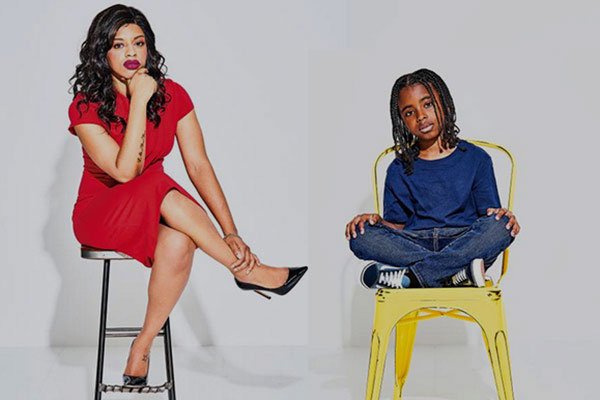
Kinship care: the relatives who bring children up when their parents can't
The Times, Saturday Magazine, April 2018
Abandoned, neglected or abused by their parents, for more than 180,000 children in the UK there is a stark choice: either go into a foster home or be looked after by a relative. The grandparents and siblings who step in reveal what happens next – and how a lack of official support can leave them in poverty.
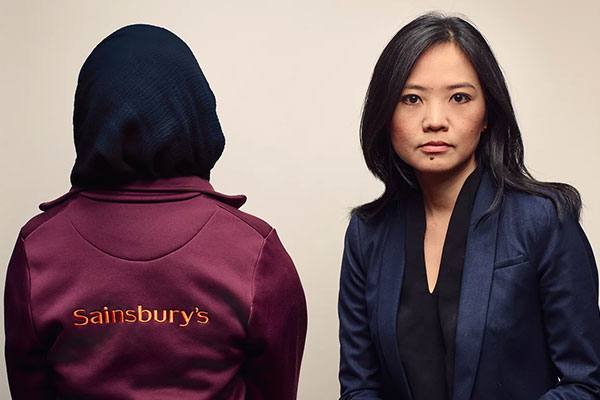
'It takes balls of steel': fighting UK supermarkets for equal pay
The Guardian, January 2018
Four days a week, sometimes five if she can get an extra shift, Zahra Hussein, 21, gets up at 1.30am and heads to work at her local Sainsbury’s, where she clocks on at 3am...
One woman's fight to keep her baby
The Guardian, February 2016
In the late afternoon of Friday 12 July 2013, in the calm, modern maternity wing of North Tyneside general hospital, 16-year-old Peter Bertram made a video of his mother holding his newborn baby brother.
‘People give up’: the crisis in school support for children with special needs
The Guardian, September 2017
The government’s own figures show big rises in the numbers of education, health and care plan assessments being refused or delayed.

Are we taking too many children into care?
The Guardian, November 2016
The numbers of children being taken into care are at record levels and rising, leading to fears that the system could soon be at breaking point. Why is this happening – and what can be done?
Domestic violence: why did my sister have to die?
The Guardian Weekend, April 2014
After years of abuse, Jeannette Chambers' sister Christine tried to leave her partner. One night he let himself into her house, murdering her and their two-year-old daughter. Christine had called for help dozens of times: why didn't the police do more to protect them?
Intensive care: life with a seriously ill baby
The Guardian, January 2014
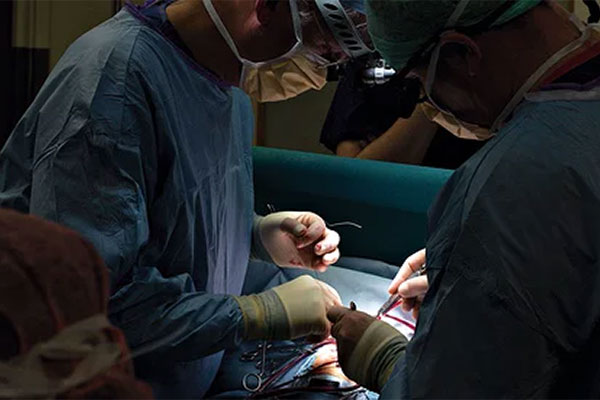
For babies born ill or early, the first few weeks in intensive care can be gruelling. How do they (and their parents) get through it? We follow one baby born with a serious heart defect
Comment
Our challenge to the ban on naming Sara Sharif judges was always about scrutiny, not blame
Louise Tickle
and Hannah Summers
The Guardian January 2025
Light must be shed on the vital life-changing decisions that are made behind closed doors in Britain’s family courts
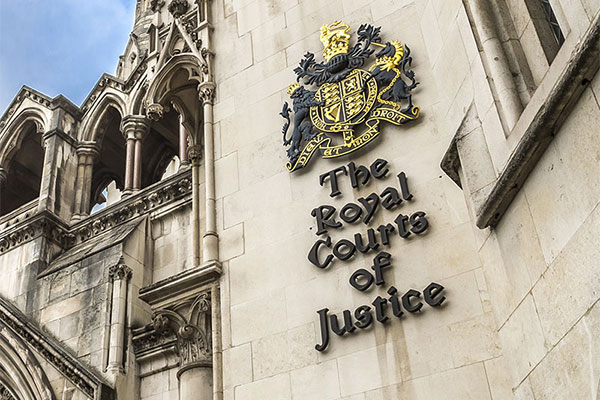
In the wood-panelled courtroom, with low winter light filtering through high windows, our barrister sat down after making his final submissions, and Mr Justice Williams began to speak. It had taken us 14 months to reach this moment at the Royal Courts of Justice, to hear the high court judge’s decision on our application for disclosure of confidential documents in three sets of family court proceedings relating to the murdered schoolgirl Sara Sharif – and whether we would be allowed to publish the information they contained.

Meet Becky, aged 14, suicidal, alone and unwanted. Victim of a cruel, uncaring state
The Guardian, May 2024
Louise followed the life of this desperate child as her life has been ruined by a bankrupt system
You’re a teenage girl and you’ve been locked in a bare hospital room for more than 15 months. Your bed is a platform attached to the floor. There’s a plastic toilet and a sink moulded into the wall. Your only human contact is through a hatch in the door. Sometimes you get to hold your mum’s hand through it.
You’ve tried to kill yourself multiple times, including trying to throw yourself off a bridge over the M6. That was after escaping being driven to an unregulated children’s home miles away from your family. You can’t understand why your mum’s not able to look after you, as she does with your two siblings.

I’ve fought for years to report what really goes on in family courts. At last, journalists can
The Guardian, Jan 2024
Allowing journalists to report on hearings is welcome. Now editors need to give them the resources to be able to tell these complex stories properly
Every day, the emails arrive. Over the nine years I’ve reported on family courts, desperate missives from families embroiled in court proceedings have landed in my inbox telling me that the judge is biased, the “guardian” representing their child is corrupt, social workers have lied, pulverising cross-examinations by barristers have traumatised them, poor advice from solicitors has damaged their case, and the family justice system’s delays and decisions have destroyed their family and harmed their child. I must have read thousands. And some of them are true.
An explosive court transcript shows why excessive secrecy in the UK’s family courts must be fought
The Guardian, December 2023
A judge’s outburst, unusually made public, reflects what many fear: that lack of transparency can permit abuses of power.
Here speaks a senior judge about your right to know what goes on in our family courts.
“If you want to know my view on the transparency project, it is not supportive … I have said my piece to anyone who will listen to me … and been ignored by people who are driving this forward. And I speak as a virtual lone voice. But I strongly hold this view … and I am very unconvinced about the motives of some of the journalists. Do not forget what they do. They sell copy. They have careers to pursue.”
Bravo to the Kent heads for refusing looked-after children a school place

July 2018
Heads who have refused to take looked-after children are trying to avoid a Rochdale abuse scandal
Children who have been removed from their families and into the care of the state usually top the priority list for school admissions – a “looked-after” child pretty much trumps all other categories of need when it comes to who gets a school place.
I say, bravo. Kent heads have been warning for months that the children who have been shipped from one local authority area to live in the county's deprived seaside towns are at a high risk of being sexually exploited.
Caring for children when their parents can’t? The state takes you for a mug
The Guardian, May 2018
Special guardians and kinship carers make huge sacrifices – and save councils a fortune. But all they get in return is exploitation
Nobody likes being played. It’s especially galling when you know from the get-go that you’re being set up. But when you’re asked in grave tones by a social worker if you’ll take in your grandchild because their mum or dad – your son or daughter – isn’t providing a safe home, then, for most people, it’s a request that’s impossible to refuse.
The state has a terrible secret:
it kidnaps our children
The Guardian, May 2018
Councils are keeping children in care against their parents’ wishes. Until family courts are opened up, these human rights abuses will continue to be hidden from view
Imagine you’re a single mother. You get injured in a car accident, and a kind friend offers to look after your two young boys while you’re in hospital. You accept with relief. Three weeks later, when you get home, you’re still a bit shaky, so your friend suggests it might be best if she has the boys for another few days. You are unsure, but she is persuasive.
The government has turned the right to education into a charitable cause
The Guardian, April 2018
Cake sale, plant sale, quiz … austerity is causing school fundraising to get out of hand
My nine-year-old son looks at me anxiously. “Mum, you definitely, definitely have my sponsor money plus an extra pound, which I need for the fundraising games. We have to bring it in today.” I search through my wallet for a quid each for him and his brother. I’ve got no cash on me. “We have to,” he repeats, his voice going wobbly. I stick an IOU in his piggy bank and the day is saved...

Economic abuse destroys lives – it must be taken seriously
The Guardian, March 2018
Elizabeth and her children have been reduced to poverty by her ex. The law must treat such cases like domestic violence
Elizabeth doesn’t dare tell social services, but there have been nights when she and her three kids couldn’t eat. “No heating, no gas. We’ve lived like paupers,” she told me. “He doesn’t pay any maintenance even though legally he’s meant to, so sometimes I can’t pay my nursery bill. That means that even though I’ve left him, my job’s at risk – I can’t take a child into work.”

Don’t blame social workers. It’s the system that’s broken
The Guardian, January 2018
It is not surprising that practice is falling short of professional standards, given the pressure child protection teams face
In the Channel 4 drama Kiri, the social worker played by Sarah Lancashire is seen being hung out to dry for a decision she makes that leads to a child, who is about to be adopted, being abducted by her birth father. The little girl is later found dead, and Lancashire’s character, Miriam, knows instantly that every judgment she has ever made relating to the child’s contact with her birth family will be scrutinised and probably found wanting, especially as the prospective adopters are an articulate, white, middle-class family, and Kiri’s father is black and just out of prison.
Documentaries
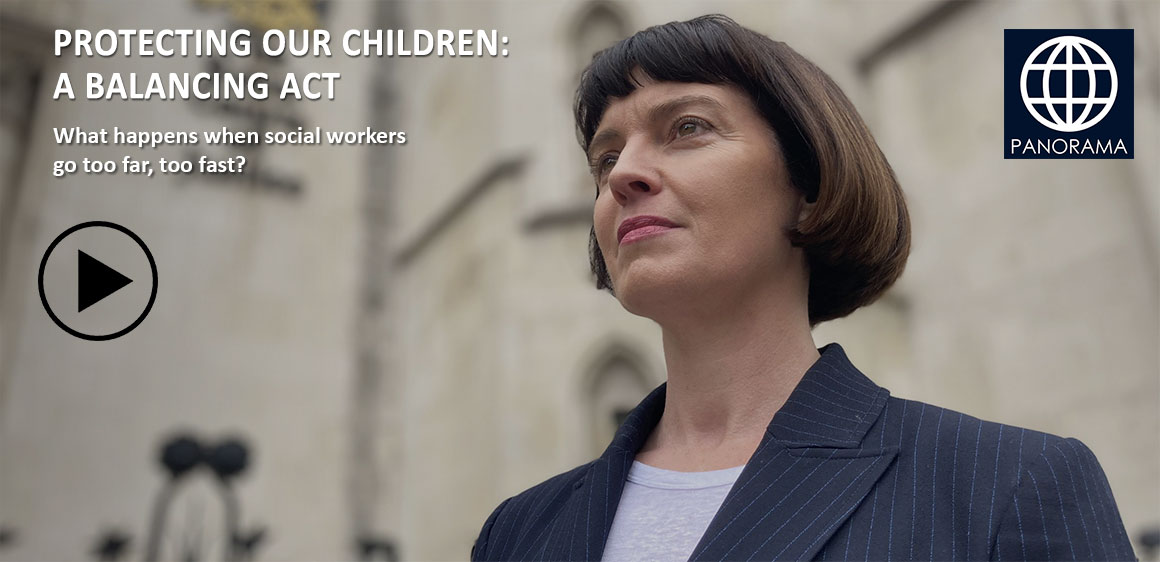
PROTECTING OUR CHILDREN:
A BALANCING ACT
What happens when social workers go too far, too fast?
BBC ONE
16 May 2022
With more children in care in England than ever before, and the government about to publish a report on the deaths of two toddlers at the hands of their parents' new partners, Panorama investigates how social workers make critical decisions about children’s lives. Granted rare, exclusive permission from the family courts, reporter Louise Tickle hears from families who have been damaged by decisions made by one local authority. With the government pushing social workers to step in earlier than ever, what happens if they go too far, too fast?

DISPATCHES
Torn Apart: Family Courts Uncovered
"Are Britain’s Family Courts no longer fit for purpose, with judges hiding poor decisions behind secrecy rules designed to protect children?
In a shocking film that was 2 years in the making, reporter Louise Tickle goes ‘as far as we legally can’ to expose cases of families traumatised by their encounters with a seemingly unaccountable system.”
The Daily Telegraph Pick of the Day 19 | July 2021
Shortlisted for the British Journalism Awards 2021, Investigation of the Year